Emergency Tree Removal for Fallen and Damaged Trees
Request an estimate from a local provider
A tree that falls, splits, or leans after a storm can feel scary. Maybe it blocks the driveway. Maybe it rests on the roof. Emergency tree removal means making that tree safe and getting it off your property. It is not a job for a ladder and a backyard saw. Trees hold hidden tension, much like a bent bow. When a cut lets that tension go, the wood can snap fast.
Catchshall Tree Service is a referral service. It explains what is going on, then connects you with independent local providers who do the work and set their own prices. Availability varies, so ask each provider what they can offer. On this page you will learn what to do first, what to leave alone, and how to plan around snow, spring melt, and coastal storms. Read on, then request an estimate when you are ready.
Start Here: Look Up First
When a tree or big limb comes down, your first job is to stay safe. Picture a tight clothesline holding a soaked blanket. It looks calm, but one tug can bring everything down. A damaged tree holds stress the same way. Look up first. Check for hanging limbs, cracks, and leaning trunks before you step outside.
Keep Your Distance
Stay a few car lengths away from any tree on the ground. Keep kids and pets inside. Treat every wire near a fallen tree as live. Do not touch a tree that rests on a line. Contact your utility about downed wires, and dial 911 if anyone is hurt.
What Counts as an Urgent Tree Problem
Urgent means a risk to people or to your home right now. Think of a smoke alarm. You act when it sounds, not when it suits your schedule. These signs usually count:
- A tree or large limb resting on a roof, wall, or car
- A tree blocking a driveway or your only way out
- A trunk that leans when it stood straight yesterday, or soil heaving at its base
- A cracked limb hanging over a walkway or play area
Problems That Can Wait a Few Days
A downed tree in a far corner of the yard, away from wires and buildings, is often not an emergency. A dead branch that has not moved in weeks can wait for a normal visit. Take photos and note the date. A provider can help you sort out which group your tree is in.
What You Can Safely Do Yourself
Ground before limb. That means you deal with what is on the ground and leave what is overhead. Most homeowners can safely do these things:
- Take photos from a safe spot
- Move cars and outdoor items away from the area
- Keep people and pets clear
- Note where water is coming in, if a roof is hit
What Needs a Pro
A chainsaw is like a kitchen knife. It is fine for bread, but risky on a bent branch under tension. A fallen trunk can be pinned and may roll or spring when cut. Skip any cutting above shoulder height, any tree touching a roof or wire, and any limb held under strain. Providers use ropes, rigging, and sometimes cranes for this work.
How a Provider Handles a Fallen Tree
Most providers start by walking the site and finding the danger spots. Then they plan the order of cuts. It is like unstacking a pile of dishes. You lift the top ones first so the pile does not slide. Limbs come off in sections, often lowered by rope. The trunk is then cut into pieces and hauled away. That is the tree falling service most people picture. Storm tree clearance is the larger version, used when many trees are down at once.
When a Tree Is on the Roof
Weight on a roof can be hidden. A provider checks where the load rests before any cut, because removing the wrong piece first can drop the rest. A crane may lift sections away. Roof repair is usually a separate job for another contractor.
Working With Your Insurance
Some policies may cover sudden damage from a fallen tree, but plans differ. Check your policy for deductibles and limits. Take clear photos before anything moves, and keep every receipt. Providers can often help document damage for a claim. Ask your insurer what it needs to see.
Plan the Season: Snow, Melt, and Coastal Storms
Weather works on a tree slowly, like bending a paperclip back and forth until it snaps. Cold winters, repeated thaw cycles, and spring melt loosen soil and stress roots. Heavy wet snow loads the limbs. Coastal storms add wind that tips weakened trees. Plan the season by checking your trees before the rough weather arrives.
Older Homes and Tight Lots
Older housing, Cape Cod style roofs, and multi-family buildings often sit close to big trees. Tight space means less room to drop a tree, so climbing and rigging are common. Stone and block foundations can be hurt by heavy falling limbs. Mention yours to the provider.
After the Storm: What to Expect
Expect a busy period. Many providers may be booked for storm tree clearance, and they often take the riskiest jobs first. Request a callback to check provider availability. Have your photos ready, plus a short note on what the tree touches. A provider may make the site safe first and return for cleanup later. Stump grinding is its own step and can be planned once the danger has passed.
Preventing the Next Storm Problem
A tree check is like a car inspection before winter. Look for dead branches, mushrooms at the base, deep cracks, and a new lean. Prune before heavy snow season. Keep soil from piling against the trunk. Ask a provider to look at any tree that worries you.
Questions to Ask the Provider
- Will I get a written quote, and what does it include?
- Is the debris hauled away or left on site?
- How will you protect my roof, lawn, and fence?
- Do you carry liability insurance?
- Can you help document the damage for my claim?
What's Included
Fallen Tree Removal
Providers cut and clear trees that have come down across yards, driveways, and walkways.
Trees on Structures
Careful sectioning, rigging, and crane lifts help remove trees resting on roofs, garages, and fences.
Storm Tree Clearance
Broken limbs, split trunks, and scattered debris are cut up and hauled away after a storm.
Hazard Limbs
Cracked or hanging branches over homes and walkways are taken down before they fall.
Typical Emergency Tree Removal Costs
Prices vary a lot with tree size, access, and risk. These are typical U.S. ranges only. Always get a written quote from the provider before work begins.
| Item | Typical range | Notes |
|---|---|---|
| Small fallen tree in the yard | $300 – $1,000 | Easy access and no damage nearby |
| Large fallen tree, ground only | $1,000 – $3,000 | Size and cutting into pieces drive the price |
| Tree on a house or roof | $2,000 – $10,000 | Rigging or crane often needed |
| Hanging or broken limb | $300 – $1,500 | Height and tension raise the risk |
| Storm debris cleanup and hauling | $200 – $1,000 | Depends on volume and distance |
| Stump grinding add-on | $100 – $600 | Based on stump width and roots |
How It Works
Make It Safe
Move people and pets away, stay clear of wires, and take photos from a safe distance.
Tell Us More
Request an estimate and describe what the tree is touching.
Meet Your Provider
A local provider reviews the site and gives a written quote.
Cleanup and Follow-Up
The tree is cut and hauled, and stump work can be planned.
Why Call Catchshall Tree Service
Explained Before You Call
Learn what is urgent, what can wait, and what to ask before you speak with a provider.
Independent Providers
Local providers do the work and set their own prices.
Safety First
Clear guidance on what stays with professionals.
Season Aware
Tips that fit snowy winters, spring melt, and coastal storms.
Other Services
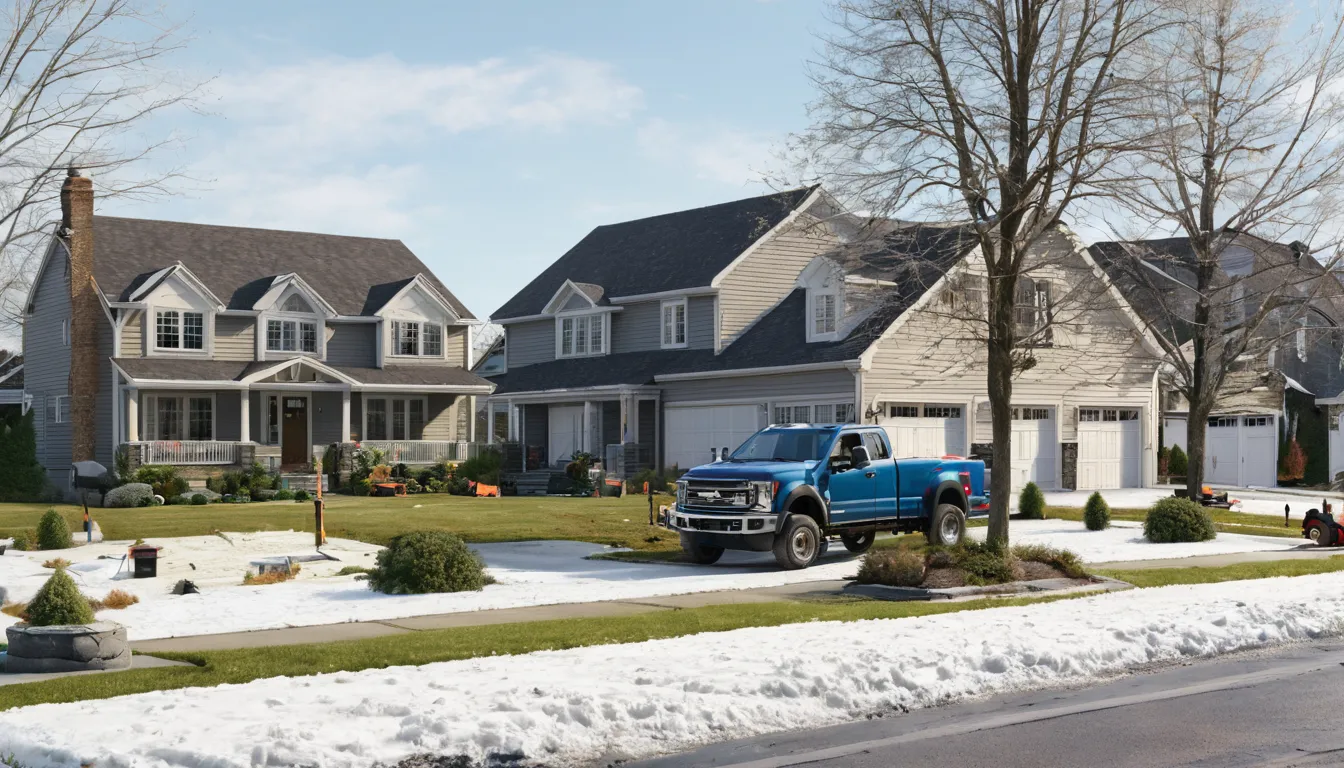
Need emergency tree removal in Monroeville?
Have a tree that worries you? Send a request, and a local provider can follow up with next steps and an estimate. There is no obligation.
No obligationEmergency Tree Removal FAQ
What should I do first when a tree falls on my house?
Get everyone out of the area, stay clear of any wires, and dial 911 if someone is hurt. Take photos from a safe spot, then ask a local provider to make the tree safe.
Does homeowners insurance cover emergency tree removal?
Some policies may cover sudden damage, especially when a tree hits a home or blocks access. Coverage depends on your plan, your deductible, and the cause, so check your policy. Providers can often help document damage for a claim.
How much does emergency tree removal cost?
Typical U.S. prices run from a few hundred dollars for a small fallen tree to several thousand when a crane or roof work is involved. Storm demand and access also change the price, so get a written quote.
Get in touch
Have a tree that worries you? Send a request, and a local provider can follow up with next steps and an estimate. There is no obligation.
No obligation